
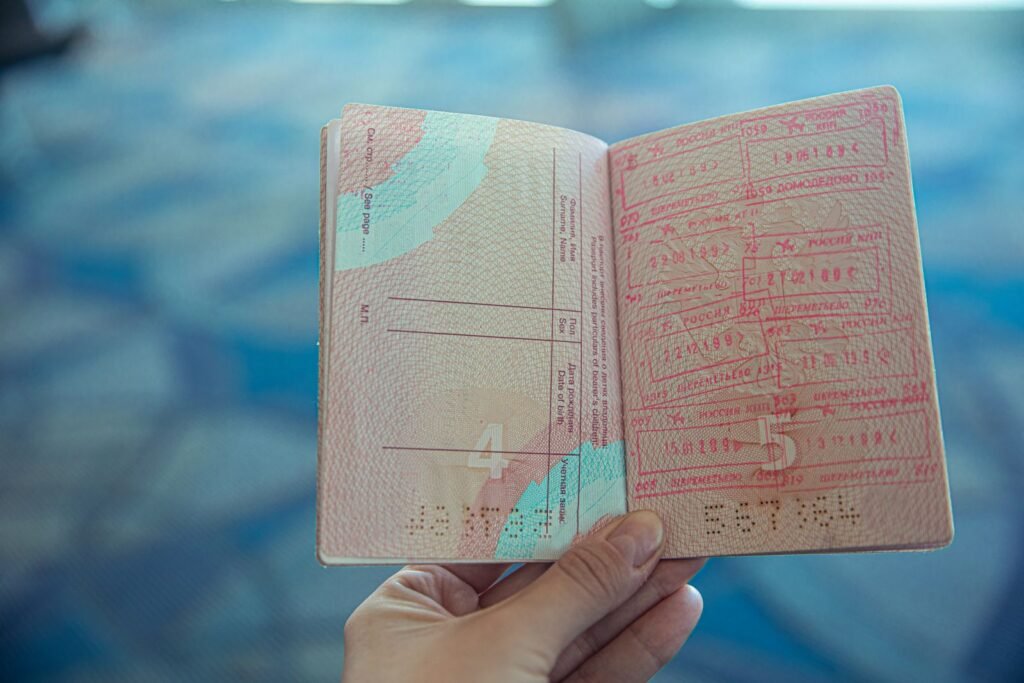
If you are searching for visa validity for UAE mortgage rules, you have probably already noticed the problem: every website gives a different answer. One guide says banks want 12 months or more left on your residence visa. Another says some banks insist on 24 months by the time the loan is paid out. A third says the length of your visa is not a direct eligibility factor at all. None of them points to a bank policy document or a Central Bank rule.
This guide does not pick a number and pretend it is law. It shows you what each source actually says, what the one bank we could check requires in writing, what really drives the decision (timing, not just the number on the visa), and how to plan if your visa is close to expiry while you are buying a home.
Published: 17 November 2026
The short version: there is no single, published UAE-wide rule for visa validity for a UAE mortgage. Each lender sets its own policy. What every source agrees on is that your residence visa, Emirates ID and passport must be valid when you apply, and must still be valid on the date the transfer or disbursement is expected. So the practical question is not “how many months is the minimum?” but “will every document still be valid on the day the bank pays out, with room to spare?”
Table of Contents
- What sources say about visa validity for a UAE mortgage
- What banks actually put in writing
- Why timing matters more than the headline number
- A worked timeline: renewing a visa during a purchase
- What to do by scenario
- Emirates ID and passport: the other two clocks
- Visa cancellation, job change and the gap trap
- Golden Visa, investor visa and non-residents
- Pre-application checklist
- FAQs
What do sources say about visa validity for a UAE mortgage?
Short answer: they disagree. The figures range from “6 months” to “12 months or more” to “24 months at disbursement”, and at least one explainer says visa length is not a direct factor. None of the pages we reviewed cites a bank policy or a CBUAE rule for its number.
Here is what we found when we read the published pages in November 2026:
| Source (type) | What it says about visa validity | Cites a bank or regulator? |
|---|---|---|
| UAE Advisor Guide, 22 April 2026 (advisory site) | Banks “generally require 12 months or more of remaining visa validity at the point of application”; “some insist on 24 months at disbursement” | No |
| CreditLink guide, 19 September 2026 (broker/credit site) | Residence visa and Emirates ID should both have “meaningful time left”; “a visa expiring in two months will get flagged” | No |
| Lenddoo requirements guide (broker) | A passport or visa page “within a few weeks of expiry is routinely rejected outright”, because it must remain valid past the expected transfer date | No |
| One broker expat guide (Mortigo) | A search summary of its expat guide attributed “at least 6 months remaining” to most banks; we could not confirm that line when we read the page directly, so we do not treat it as established | No |
| Another broker explainer | Reported as saying visa duration is not directly an eligibility factor; employment stability and salary matter more | No |
| Mortgage Finder FAQ (broker) | Lists passport, visa and Emirates ID as required documents; gives no validity rule | No |
Read that table as a spread of opinion, not a standard. The sensible reading is a range: some lenders and advisers want very little beyond “valid and not about to expire”, while others reportedly want a year or more at application and more again at disbursement. Which camp your bank is in is something only the bank (or a consultant who has just placed a case with it) can tell you.
We have not been able to verify the 24-month figure against any bank-published policy, and neither should you take it as a rule. It is useful as a warning: if your visa has under two years left, ask early whether your chosen bank has a stricter internal requirement.
What do banks actually put in writing?
Short answer: very little about months, a lot about “valid”. The one major bank page we could verify says what documents are needed but sets no minimum number of months.
HSBC UAE’s “how to apply” page says that for an Approval in Principle you need “a valid passport, visa and Emirates ID”, and that a full application may also need a personal bank statement dated within the past 6 months. It says the Approval in Principle is valid for 60 days. It also lists living in the UAE as an eligibility condition, with a limited exception for HSBC Private Bank or Premier customers who live outside the country.
Notice what is missing: no “12 months of visa”. That does not prove the bank has no internal rule. Credit policy is often not published in full. It does mean that if someone tells you “the bank requires exactly X months”, you should ask them for the source.
We found no Central Bank of the UAE (CBUAE) rule that sets a minimum visa validity for mortgages. CBUAE’s mortgage regulations deal with loan-to-value limits, debt burden and similar matters. Visa validity is a lender credit-policy question. If you want the regulated parts explained, see our UAE mortgage eligibility guide and our guide to how to get a mortgage in Dubai as an expat.
Why does timing matter more than the headline number?
Short answer: because the bank checks your documents more than once. A visa that is fine on the day you apply can be a problem on the day the loan is paid out.
Lenddoo’s advice is to check every date against the expected transfer date, “not just today’s date”, before you submit. That is the single most useful sentence on this whole topic, because a purchase is not instant. Using ranges already published in our own guides:
- Pre-approval typically takes a few working days once documents are complete, and the letter is usually valid for 30 to 90 days depending on the bank (see our pre-approval guide and rate lock guide).
- After you sign the sale agreement, valuation and the final offer letter commonly take a few weeks.
- A financed purchase realistically takes about 3 to 5 weeks from offer letter to keys, and longer if something expires and needs re-issuing (see our handover and transfer guide).
So from the day you first speak to a bank to the day the Land Department transfer happens, two to three months is a normal span, and four is not unusual. A visa with only a couple of months left can expire mid-process. Lenddoo says documents within a few weeks of expiry are routinely rejected outright, and the UAE Advisor Guide says some banks look at validity again at disbursement.
In our handover guide we suggest a conservative rule for the transfer appointment itself: confirm that every ID and authorisation document is valid for at least 60 days beyond the expected appointment date. That is our own practical safety margin, not a bank rule, but it is a good floor for planning.
Worked timeline: renewing a visa during a purchase
Short answer: if your visa renews in the middle of the purchase, tell the consultant on day one and finish the paperwork around it. The example below is hypothetical. It uses calendar dates only to show the arithmetic, and the stage lengths come from the published ranges above, not from any single bank.
Suppose today is 16 November 2026 and your residence visa expires on 15 February 2027, about three months away. You want to buy a ready apartment with a mortgage.
| Step | Illustrative date | Visa status that day | Risk |
|---|---|---|---|
| Speak to a consultant, collect documents | Week of 16 Nov 2026 | About 3 months left | Already inside the “flagged” zone some guides describe |
| Pre-approval issued | Late Nov 2026 | About 2.5 months left | Bank may ask when the visa renews |
| Sign sale agreement and apply formally | Mid Dec 2026 | About 2 months left | Banks that look at remaining validity may stop here |
| Valuation and final offer letter | Late Dec 2026 to early Jan 2027 | 6 to 8 weeks left | Offer letter issued against a visa that expires soon |
| Transfer appointment | Mid to late Jan 2027 | 3 to 4 weeks left | Expiry falls inside the disbursement window |
The table shows why a “three months left” visa can be risky even if the bank has no stated minimum: by the time money moves, the visa is within weeks of expiry. Lenddoo’s warning that documents within a few weeks of expiry are routinely rejected applies exactly here.
The cleaner plan is to renew first if renewal is quick and straightforward, then apply with a fresh visa and a fresh Emirates ID. If renewal is not possible yet, say so to the consultant and ask which banks are comfortable with a visa that renews during the process. Do not hide it. A bank that finds an expiring visa late will often re-review the file, and the delay can threaten your offer-letter validity or your finance deadline under Form F (see our guide to what happens if your mortgage is not approved after Form F).
What to do by scenario
Short answer: your best action depends on how many months you have left and whether anything about your employment is changing. Because no bank-published minimum exists, treat these as planning rules, not guarantees.
| Your situation | What the sources suggest | What to do |
|---|---|---|
| Visa has 12+ months left | Meets the commonly quoted “12 months or more” figure | Apply normally; still check dates against the transfer date |
| Visa has 6 to 12 months left | Within some sources’ range, below others’ | Ask the bank directly before applying; consider renewing first if quick |
| Visa has under 6 months left | Likely flagged by banks that look at remaining validity | Renew first, then apply; do not pay a non-refundable deposit before finance is confirmed |
| Renewal already in progress | Banks require a valid, stamped visa at application | Wait for the new visa and Emirates ID, or ask your consultant which banks will review early |
| Visa being cancelled and reissued under a new employer | UAE Advisor Guide calls applying during a visa gap “a near-certain route to rejection” and suggests waiting 30 to 60 days after the new visa is stamped | Wait; see our guide to mortgages during probation or after a job change |
| Golden Visa or investor visa holder | Banks treat this by income and category, not just validity | Show income evidence; see the Golden Visa section below |
| No UAE residence visa | Standard resident products unavailable; non-resident products exist with tougher terms | See our non-resident mortgage guide |
Emirates ID and passport: the other two clocks
Short answer: banks check all three documents, and the one that expires first causes the delay. Residence visa, Emirates ID and passport each have their own expiry date, and they rarely line up.
- Emirates ID: Lenddoo lists it as “both sides, valid and not close to expiry”. The Emirates ID and the residence permit are usually renewed together, but not always on the same day, so check the printed expiry on the card itself.
- Passport: the UAE Advisor Guide lists “a passport with at least 12 months’ validity” in its documents checklist. Several other guides cite six months. Again, these are guide-level figures, not bank-published ones. A passport renewal can take longer than expected if you must apply through your embassy, so start early.
- Visa page or stamp: the bank wants to see the residence visa copy that matches your Emirates ID details.
Keep one list with all three expiry dates and the expected transfer date next to them. If any of the three falls within about 60 days of the transfer date, fix it first.
Also remember that other documents carry their own clocks. Lenddoo says salary certificates and AECB credit reports are almost universally required to be dated within 30 days of submission, and bank statements need to run up to the previous month end. Our documents checklist covers the full list by buyer profile.
Visa cancellation, job change and the gap trap
Short answer: a cancelled visa is the biggest visa-related reason mortgage files fail, and it is a timing problem, not a validity-months problem. If you leave your job, your employer normally cancels your residence visa, and your Emirates ID details change with it.
The UAE Advisor Guide says banks “require a stamped and valid visa at the point of application”, and that submitting an application while a visa is being cancelled and reissued under a new employer is a near-guaranteed rejection. It suggests waiting at least 30 to 60 days after the new visa is stamped.
How long can you legally stay after a cancellation? Secondary sources commonly cite a 30-day grace period for a typical private-sector employee, with longer periods for some categories such as Golden Visa holders, and a Dubai-specific rule is reported by some sites at 60 days. The sources disagree on some categories, and none we reviewed was the official Immigration and Citizenship Authority page, so check the cancellation notice or the official ICP and GDRFA pages for your own case. For mortgage purposes the grace period does not help: a visa in cancellation is not a valid visa to a bank.
Two practical rules follow:
- Do not resign, switch employer or accept a visa transfer while a mortgage is in process. Keep the same employer and salary arrangement until disbursement.
- If a job change is unavoidable, pause the application, complete the visa transfer, collect the new documents, and restart. Probation rules apply on top; read our probation and job change guide and, if you are very new to the country, our guide for new expats with no credit history.
Golden Visa, investor visa and non-residents
Short answer: these categories are assessed on income and status, and the “months left” question is different. A long-term visa makes the validity question easier, but it does not replace income evidence.
One guide we reviewed says tourist visas, visit visas and Golden Visas without income do not qualify for standard resident products, while some lenders consider Golden Visa holders who can show qualifying income. Treat that as a broker view and confirm with the bank. If you plan to use a mortgaged property to qualify for a Golden Visa, read our guide to the Golden Visa through a mortgaged property, which explains how the financing and the visa interact.
If you do not hold a UAE residence visa at all, you are not stuck, but terms are tougher. Selected lenders consider non-residents, the lender panel is smaller, and the deposit is larger. Our non-resident mortgage guide explains the process and documents.
Pre-application checklist: visa validity for a UAE mortgage
Short answer: check four dates and ask one question. Do this before you pay a consultant, a valuation or any non-refundable deposit.
- Write down your residence visa, Emirates ID and passport expiry dates.
- Estimate your transfer date, adding a buffer. If you are unsure, assume three to four months from your first bank conversation.
- Check that each document stays valid past the transfer date. Our own planning margin is at least 60 days beyond.
- If anything is short, renew first. A renewal done in a week is cheaper than an application restarted in a month.
- Ask the bank or consultant one direct question: “Does this bank apply a minimum remaining visa validity at application and at disbursement, and where is that written?” If the answer is “it depends”, ask for a written confirmation before you pay for anything.
Frequently Asked Questions
How many months of visa validity do you need for a UAE mortgage?
There is no single published rule. One advisory guide says banks generally want 12 months or more at application and some want 24 months at disbursement; others say “meaningful time left”, and some say visa length is not a direct factor. Confirm your chosen bank’s policy in writing.
Can I get a UAE mortgage if my visa expires in 3 months?
Possibly, but it carries risk. Some guides say a visa expiring in two months will be flagged, and documents within a few weeks of expiry are routinely rejected. The safer path is to renew first, or ask a consultant which banks will accept a file with a renewal in progress.
Does the bank check my visa again at disbursement?
Some do. The UAE Advisor Guide says some banks insist on longer validity at disbursement, and Lenddoo says documents must remain valid past the expected transfer date. Assume every ID document will be checked again close to payout.
Is there a Central Bank rule on visa validity for mortgages?
We found none. CBUAE regulates matters such as loan-to-value limits and debt burden, while minimum visa validity is a lender credit-policy decision. Banks may not publish it in full.
Can I apply while my visa is being transferred to a new employer?
It is not advisable. A guide we reviewed calls applying during a visa gap a near-certain route to rejection and suggests waiting 30 to 60 days after the new visa is stamped. Banks need a stamped, valid visa at application.
What if my Emirates ID is about to expire but my visa is fine?
Renew the Emirates ID first. Lenddoo lists the Emirates ID as valid and not close to expiry, and it must remain valid until transfer. A card in renewal can stall a transfer appointment.
How much passport validity do banks want?
Guides differ: some cite six months, and the UAE Advisor Guide cites at least 12 months in its checklist. The figures are guide-level, not bank-published, so check the passport date against the transfer date and renew early if it is short.
Does a Golden Visa remove the validity problem?
It helps with duration, but banks still assess income and category. One guide says Golden Visas without income do not qualify for standard resident products. Show income evidence and confirm the bank’s stance.
What happens if my visa expires after I have signed the sale agreement?
An expired or cancelled visa can trigger a fresh review, delay the final offer and put your finance deadline at risk. Read the finance clause carefully, tell your consultant immediately, and see our Form F guide for what to do.
Can a non-resident buy with a mortgage if they have no UAE visa?
Yes, through selected lenders with tougher terms such as a larger deposit and a narrower choice of banks. Our non-resident guide explains the process and documents you will need.
Should I renew my visa before applying for a mortgage?
If renewal is quick and your visa is short, usually yes. A fresh visa and Emirates ID remove the most common document delay. If renewal is not possible, ask which banks will consider the file and disclose the situation up front.
How Al Ghaf Mortgage can help
Al Ghaf Mortgage offers two services: Mortgage Consulting and Banking Consultation. If your visa, Emirates ID or passport dates are close to the line, we can help you map every expiry date against a realistic transfer timeline and ask lenders the right questions before you commit to a property. Use our Contact Us page to get in touch, or message us directly on WhatsApp.
Message Al Ghaf on WhatsApp: +971 50 127 6925
This guide is general information, not financial or immigration advice. Bank policies and immigration rules change; confirm current requirements with your lender and the relevant authority before you act.
If your residence visa renewal is coming up while your mortgage is in process, it is worth checking how Emirates ID late renewal fines and delay fee exemptions work in the UAE so your ID does not lapse along the way.
Buyers lining up a mortgage on an off-plan or newly completed unit may also want to read about the difference between Oqood and a title deed in Dubai and how each affects mortgages.